Microlending program proves to be successful for small-business needs
Sept. 10, 2025
This piece is sponsored by the South Eastern Development Foundation.
Paul Ode had an opportunity to capture — but had to move quickly.
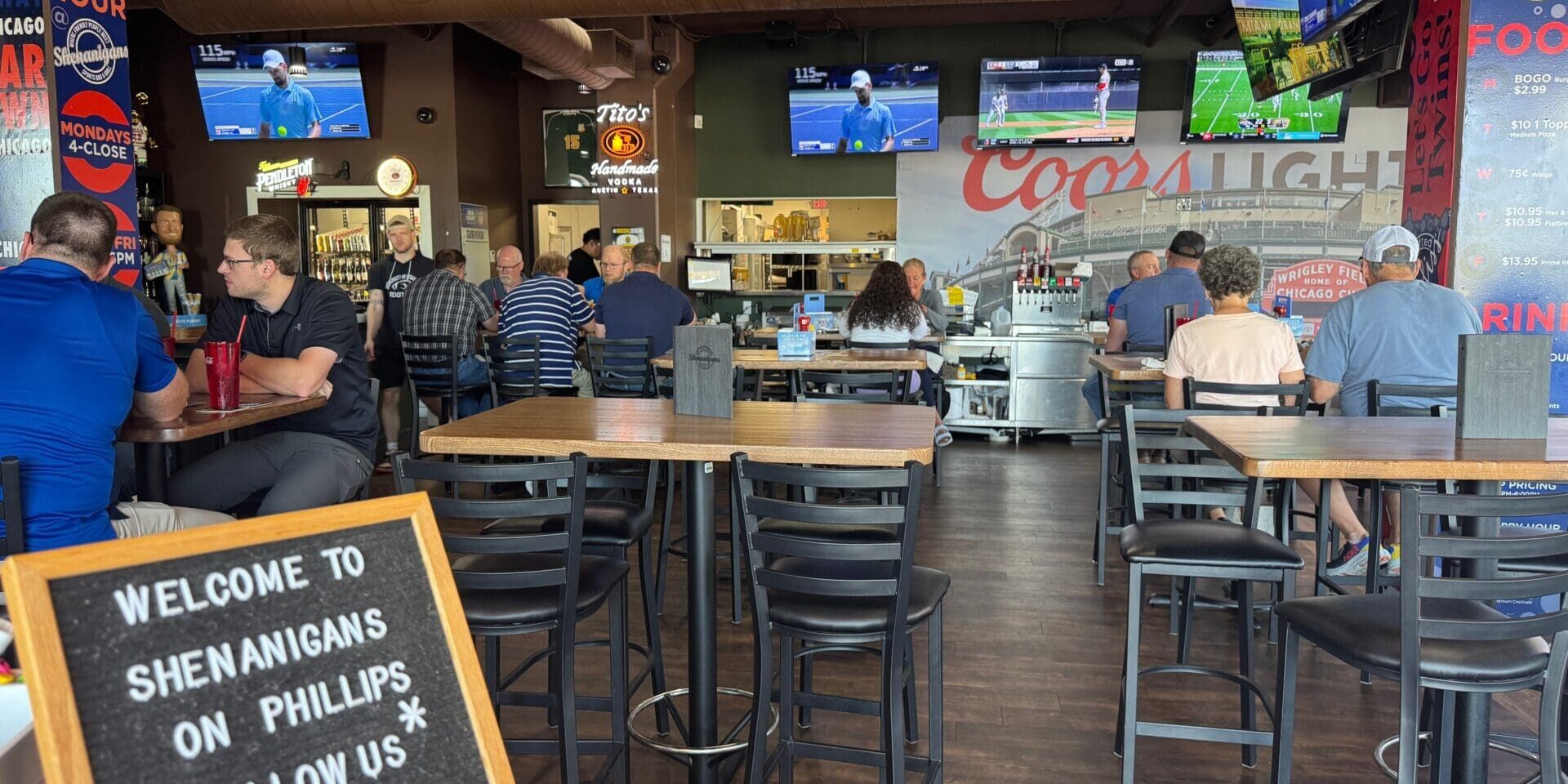
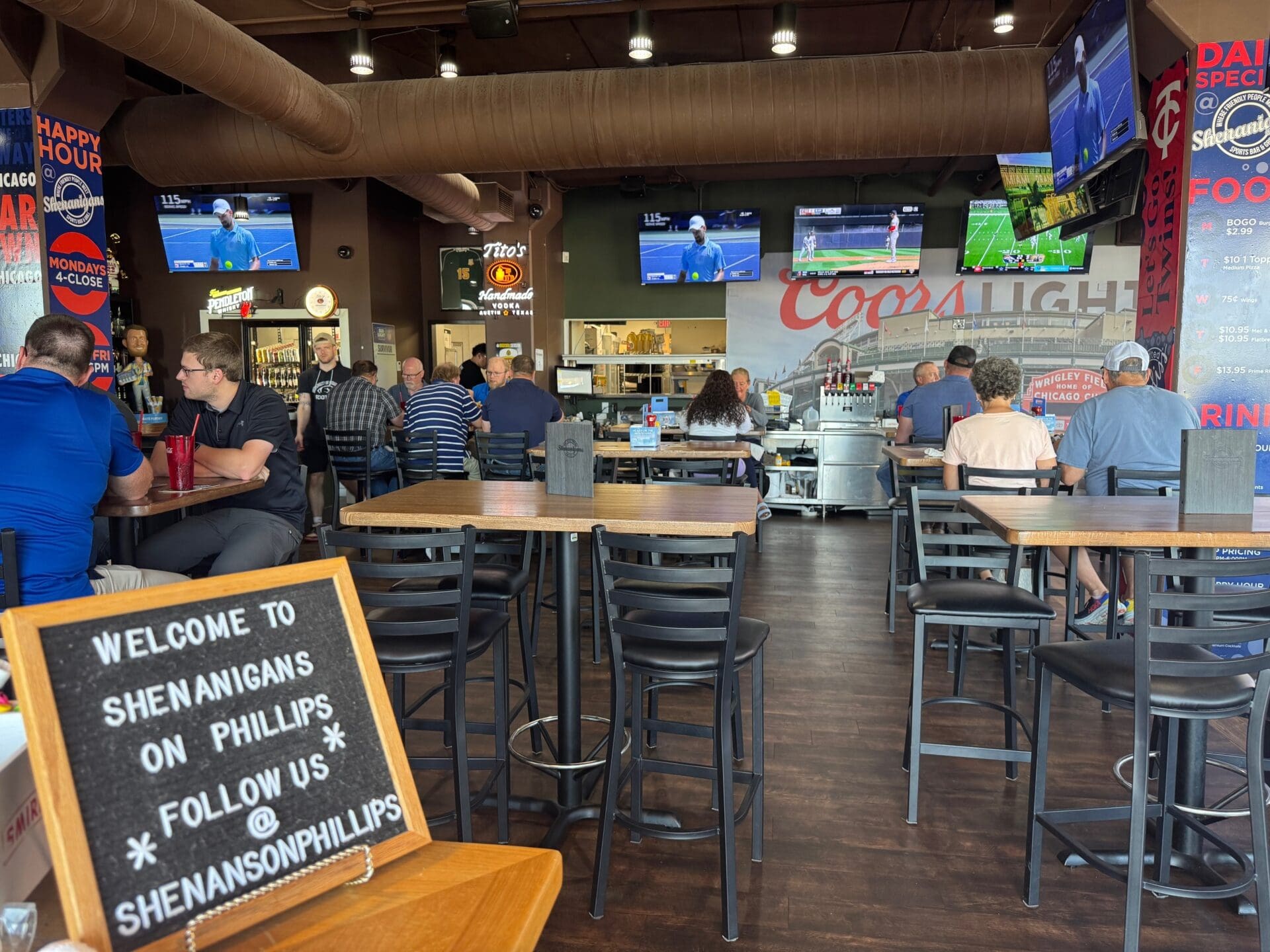
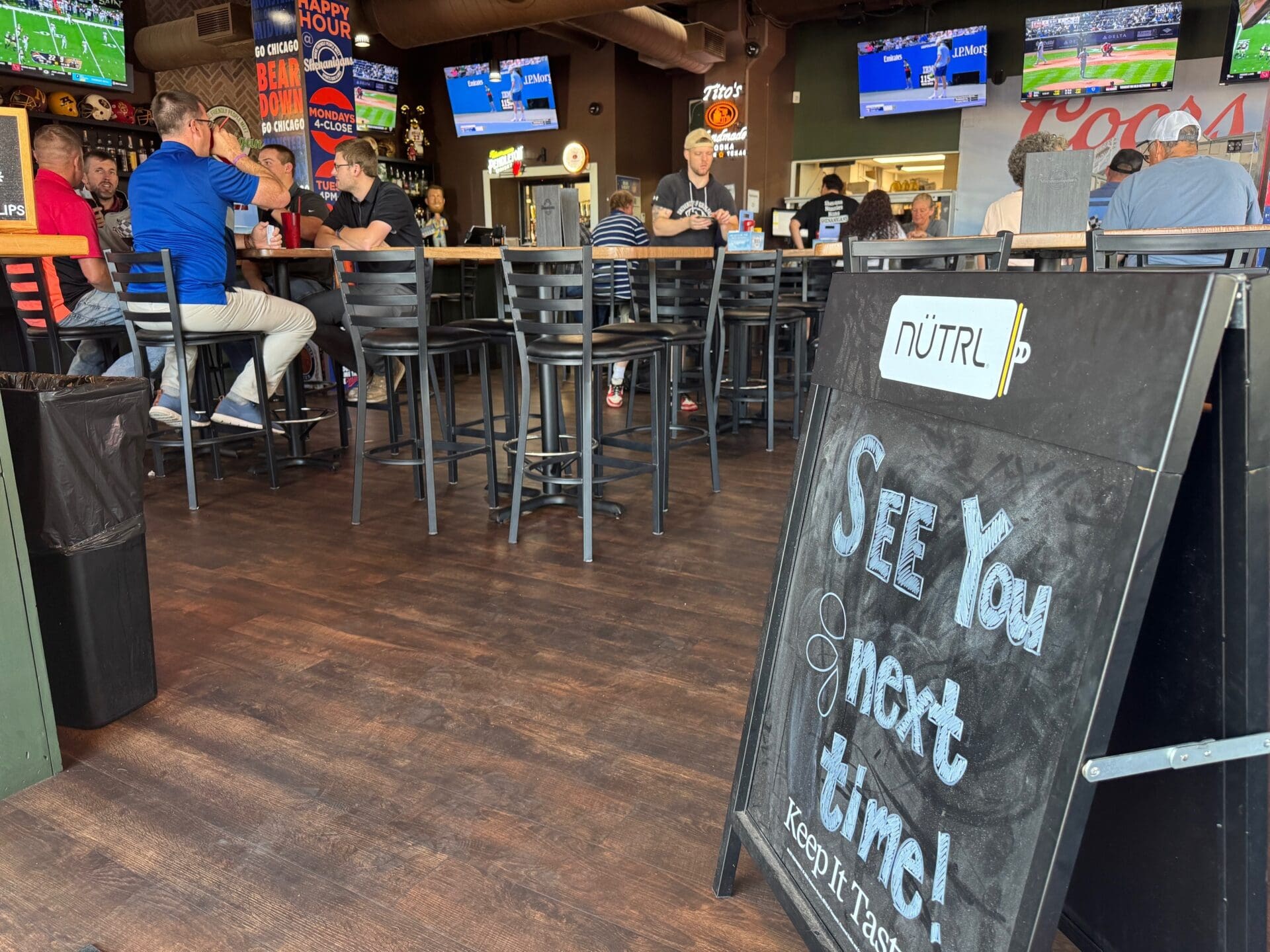
“It was probably five to six weeks between talking to the landlord and opening the restaurant,” said Ode, owner of multiple restaurants, including the new Shenanigans Sports Bar & Grill in downtown Sioux Falls.
“I needed a little influx of capital, and South Eastern Development Foundation was able to help on a micro level. It was a pretty seamless process, and I’m a big fan of theirs. They’ve enabled me to be able to do a lot of things that maybe I wouldn’t have been able to do.”
South Eastern Development Foundation began its business revolving loan fund in 2001 when founder Lynne Keller Forbes set a then-lofty goal of building it up to $1 million. In almost 25 years, it grew the asset base to $27 million.
The goal is to provide affordable financial assistance to individuals and businesses that lack the initial capital required to expand or start a business, assisting with job creation and retention in the region. It complements the offering of sister organization Dakota Business Finance, which specializes in the SBA 504 loan program.
“We’re really gap-financing,” said Erik Barnes, senior vice president and senior loan officer.
“There are plenty of banks in town, but they’re governed by regulations that sometimes don’t allow them to lend to small businesses that need it most. That’s where we’re there to step in. It might be a feasible deal, but there’s a gap, and the business can’t quite meet credit requirements.”
The revolving loan fund lends $20,000 to $250,000, and loans are considered based on risk and business plan.
“We use common-sense lending in evaluating our business clientele,” Barnes said.
“If they’re already doing a Dakota Business Finance loan, that can cover real estate and equipment, but there are some things that don’t always fit.”
A business might need financing to secure a liquor license, buy supplies or inventory, or cover payroll for a short time until operations are up and running.
“That’s where we can step in and bridge the gap and get a transaction across the finish line,” Barnes said.
Primary consideration is given to projects that:
- Are for-profit organizations.
- Are located within SEDF’s service area.
- Provide opportunities to the unemployed, underemployed, minorities, low-income and socially or economically disadvantaged, among others.
- Do not have other credit available on ample terms to complete the project.
- Have adequate owner’s equity investment committed to the proposed project.
- Have an amount of private participation involved with the project that meets SEDF’s requirements.
- Would not be able to proceed without the assistance of the SEDF loan.
Ode estimates that he has worked with the foundation as well as Dakota Business Finance four or five times.
“We’ve done several deals that could have been more tough traditionally, going back to my first one, Double Ds Saloon in Brandon, and then Crawford’s and Shenanigans.”
It’s not the easiest environment for restaurateurs to secure all the necessary financing, he added.
“For me to be able to do it with South Eastern Development Foundation, I think, has been a win-win,” he said. “It’s worked out very well.”
The foundation also helps with business transitions such as when an employee might be buying from a longtime local owner.
“That’s tough to find backing when you’re a W-2 employee,” Barnes said. “So sometimes, we can help bridge that gap when the bank doesn’t think a new borrower has enough financial strength yet.”
Terms for the foundation’s microloans are very similar to bank financing, he said.
“We’re going to match the amortization with whatever we’re financing, so if it’s working capital or supplies, it would be shorter term. For a building, it would be on a 20-year, and we try to balloon our loans at five years,” he said.
“One, that’s to recapitalize, where hopefully at the end of five years, the bank is comfortable they’re known performers, and they can take it over, and we can lend it to the next client who needs it. We’re here to complement, not duplicate.”
To learn more, visit here, or email [email protected].
link