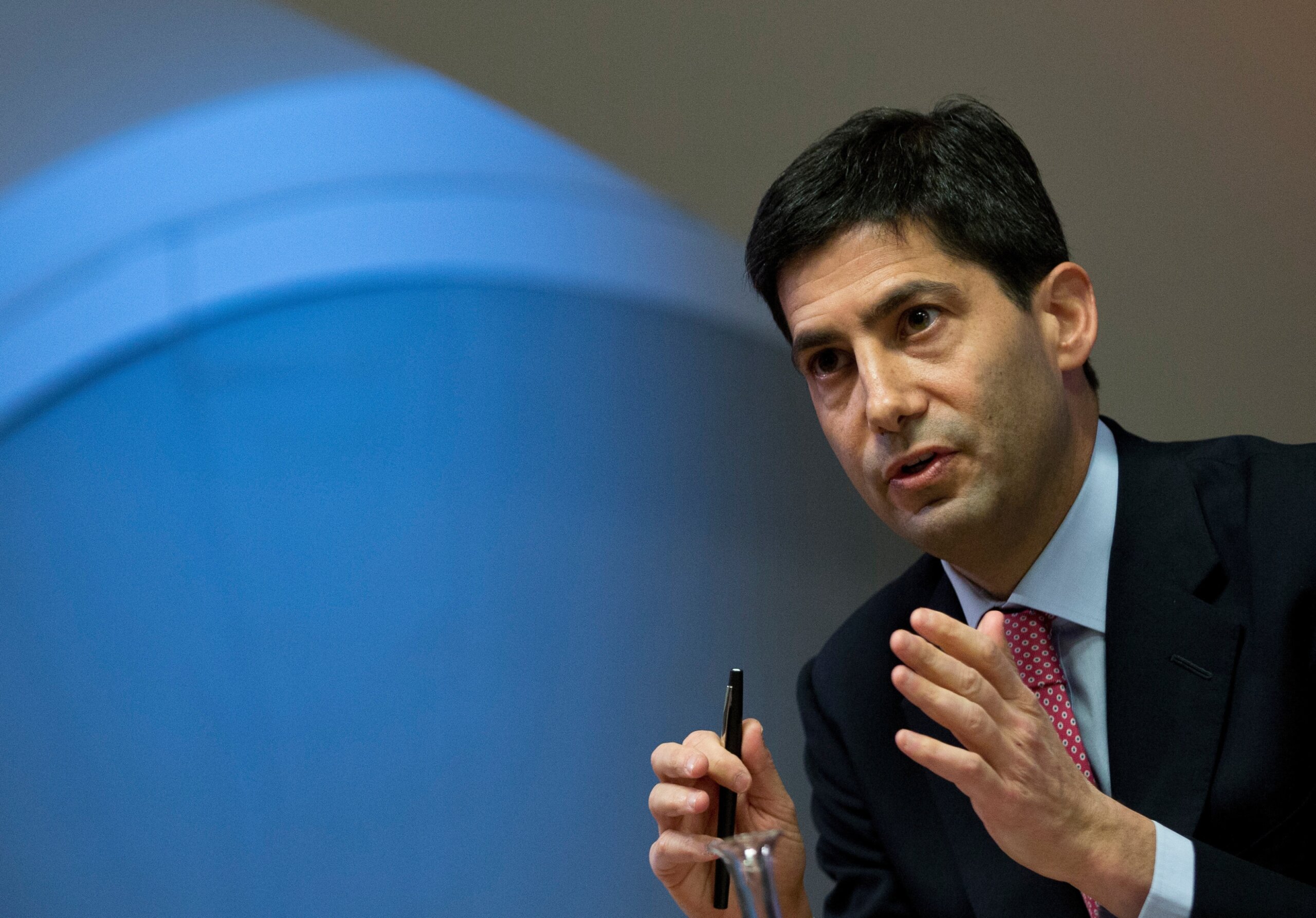
Alfred Quinsay on Leadership, Legacy, and the Ethics Behind Lies of Influence

In an era where leadership is increasingly measured by visibility, virality, and influence metrics, a quieter counter current is emerging—one that prioritizes coherence over charisma and integrity over optics. At the center of this conversation is Filipino author, strategist, and academic Alfred Quinsay, whose work explores what it means to lead, build, and endure in a fragmented world.
Quinsay’s guiding principle is deceptively simple: “Integrity is strategy.” It is not a slogan meant for applause, but a governing rule—applied to leadership, business, faith, and creative work. His latest novel, Lies of Influence (2025), extends this philosophy into fiction, examining the moral cost of power when influence is pursued without inner alignment.
Leadership Beyond Performance
Modern leadership often rewards speed, exposure, and emotional appeal. Quinsay challenges this framework, arguing that performance-driven leadership eventually collapses under its own contradictions.
“Influence without integration creates instability,” he notes. “What looks strong in public often fractures in private.”
With over two decades of experience across industries including mining, logistics, education, and strategic consulting, Quinsay has observed a recurring pattern: organizations and leaders fail not because of incompetence, but because their internal values do not match their external posture. When leadership becomes a performance rather than a practice, decision-making degrades into short-term optics.
His approach emphasizes centeredness—a state where values, behavior, and long- term vision are aligned. In this model, authority is not demanded or displayed; it is embodied.
The Hidden Cost of Charismatic Power
Lies of Influence explores these themes through narrative rather than prescription. The novel follows characters navigating power, loyalty, ambition, and moral compromise— revealing how influence can become corrosive when it is divorced from truth.
Rather than depicting villains in obvious forms, Quinsay’s fiction focuses on the subtle erosion of character: leaders who mean well, institutions built on good intentions, and families held together by silence rather than honesty.
“The most dangerous lies are the ones we tell ourselves,” Quinsay explains. “Especially when they are rewarded.
The novel resonates with executives, professionals, and creatives alike because it mirrors real-world dilemmas: the temptation to preserve image, the fear of losing relevance, and the quiet trade-offs made in the name of stability. It asks a difficult question—what happens when influence becomes the goal instead of the byproduct of integrity?
Legacy as a Long Game
Quinsay’s reflections on leadership are shaped not only by professional experience, but by personal observation. He speaks candidly—but respectfully—about witnessing early success give way to fragmentation when inner coherence is neglected.
Legacy, he argues, is not measured by scale alone. Financial success, public praise, and dependency-based loyalty can create the illusion of permanence, but without structural integrity, they rarely endure.
“What remains,” he says, “is not what we built, but what we embodied.”
This perspective informs his long-term vision—a 40-year architecture plan focused on depth, discipline, and ethical continuity. Rather than expanding rapidly across platforms, Quinsay favors incubation, selective expression, and governance over exposure.
Faith Without Performance
Unlike many public figures, Quinsay does not separate faith from leadership, nor does he weaponize it for branding. His Christian worldview functions as an internal compass rather than a marketing identity.
“Faith is not a content strategy,” he says. “It’s a formation process.”
This restraint is evident in his work. Moral clarity emerges through structure, not slogans. His writing resists moral grandstanding, instead inviting readers to confront their own inconsistencies.
In Lies of Influence, faith is not portrayed as immunity from failure, but as the discipline of truth-telling—first to oneself, then to the world.
Silent Authority in a Noisy World
Quinsay’s approach contrasts sharply with today’s attention economy. While many leaders chase relevance through constant posting and commentary, he advocates for silent authority—credibility built through consistency, restraint, and earned trust.
He maintains a selective media presence, prioritizing long-form writing, structured content, and principled collaborations. Social platforms are treated as distribution channels, not identity spaces.
“Visibility without governance erodes authority,” he says. “Silence, when intentional, sharpens it.”
This philosophy resonates with professionals experiencing burnout from performative leadership cultures. Increasingly, executives and creatives are seeking models of success that do not require constant self-promotion or ideological alignment.
Business Ethics as Competitive Advantage
In business contexts, Quinsay frames integrity not as a moral luxury, but as a strategic advantage. Organizations that operate with clarity of values, he argues, reduce friction, improve decision quality, and build resilience over time.
Shortcuts may accelerate growth, but they also compound risk. Ethical drift—small compromises made repeatedly—eventually surfaces as reputational damage, internal dysfunction, or strategic collapse.
“Ethics is not what slows you down,” Quinsay observes. “It’s what keeps you from imploding.”
This perspective has gained relevance amid global conversations on corporate accountability, leadership credibility, and sustainable growth. As stakeholders demand transparency, leaders who embody coherence rather than compliance are emerging as trusted anchors.
A Different Measure of Success
Ultimately, Quinsay’s work—both fiction and nonfiction—invites a reframing of success. Influence is not dismissed, but repositioned. It is not the aim, but the outcome of disciplined alignment.
Lies of Influence does not offer easy answers. Instead, it presents a mirror—one that reflects the quiet choices shaping leaders long before they are tested publicly.
As Quinsay puts it: “You don’t lose your edge overnight. You trade it away—comfort by comfort, compromise by compromise.”
In a world saturated with noise, his message is both countercultural and timely. Integrity, when practiced consistently, is not just moral—it is strategic.
And in the long arc of leadership and legacy, it may be the only strategy that lasts.
link